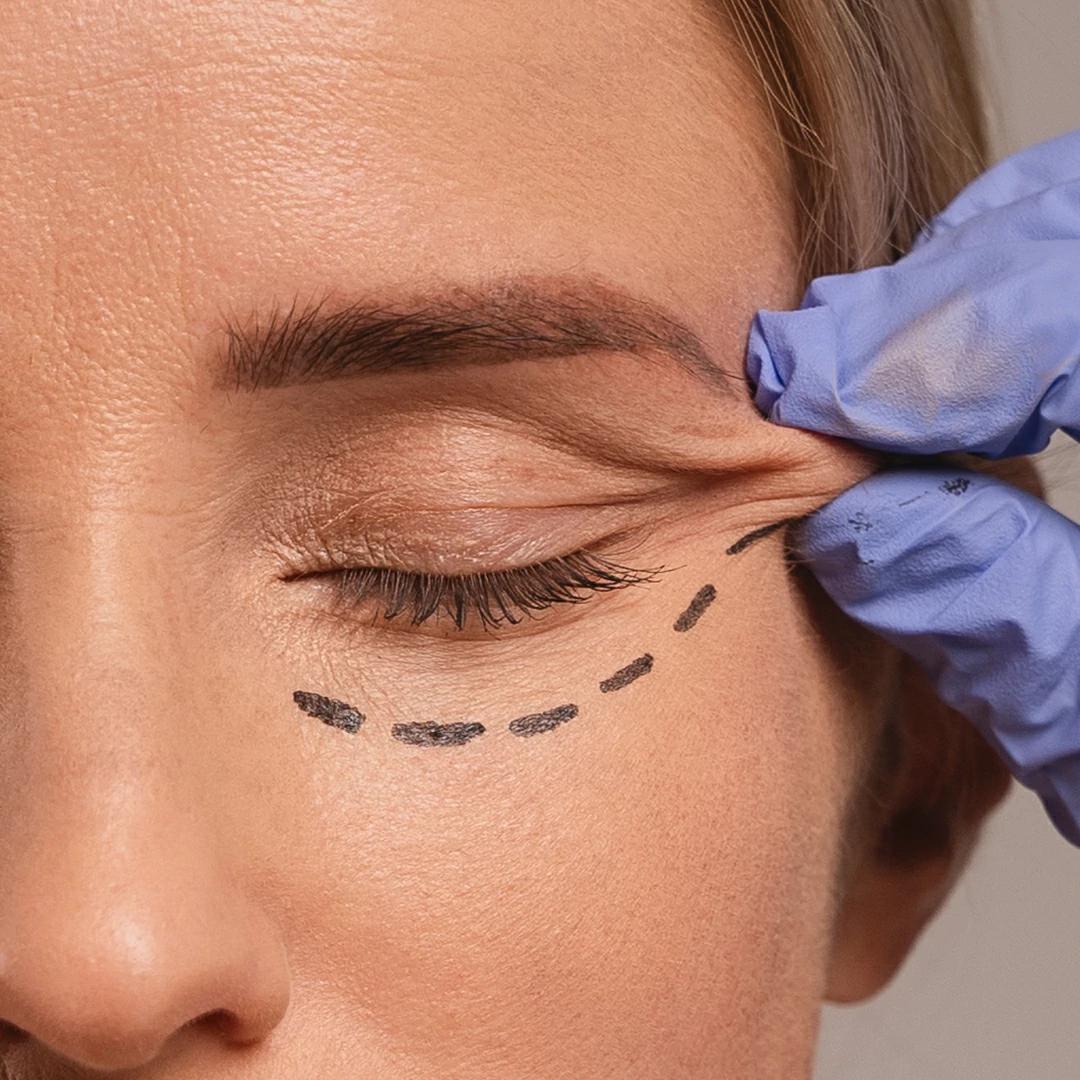
Sagging, bagging and wrinkles on the eyelids can make the overall expression of the face look tired, old and sleepy. This surgical procedure, known as blepharoplasty in the medical literature, is performed to give a youthful and dynamic appearance around the eyes. This operation is an effective solution both to eliminate aesthetic concerns and, in some cases, to correct upper eyelid sagging that obstructs the visual field.
Eyelid aesthetics is the process of removing excess skin, muscle and adipose tissue from the eyelids. Over the years, loosening, sagging and bagging of the eyelids occur with gravity, genetic factors, aging and environmental effects. Excessive skin accumulation, especially on the upper eyelid, can pile up on the eyes, restricting the gaze and creating a tired expression. On the lower eyelid, under-eye bags and lower eyelid wrinkles, which are usually caused by herniation of the fat pads , become prominent. Blepharoplasty surgery eliminates these problems and makes the eye area look younger, more vibrant and rested.
Eyelid aesthetic surgery, as the name suggests, is the process of surgically reshaping the eyelids. The main goal of this operation is to create a natural and aesthetic eye area that is compatible with the patient’s facial structure. Blepharoplasty techniques can be applied to the upper or lower eyelid, or both. Eyelid aesthetics should be performed by a plastic, aesthetic and reconstructive surgeon who is an expert in his field, customized according to individual needs.
Upper eyelid aesthetics usually targets skin sagging and excess fat accumulation on the upper lid. This can cause the eyelid to droop, giving the person a tired or sleepy expression, and even restricting the field of vision in advanced cases. During surgery, excess skin and adipose tissue are removed through a thin incision made along the natural crease line of the eyelid. After this incision heals, it is hidden in the natural fold and is very difficult to notice from the outside. Upper blepharoplasty rejuvenates the overall expression of the face by making the eyes look more open and vibrant.
Lower eyelid aesthetics is usually applied for under-eye bags, lower eyelid sagging and wrinkles. Under-eye bags are formed as a result of herniation of adipose tissue and make the person look older and more tired than they are. During surgery, excess adipose tissue is removed or repositioned through an incision made just below the lash line or on the inside of the eyelid (transconjunctival approach). Excess skin can also be cut off by gently stretching it. Lower blepharoplasty reduces puffiness and wrinkles under the eyes, resulting in a smoother and more rested appearance.
Some patients may have aesthetic problems in both the upper and lower eyelids. In these cases, combined eyelid aesthetics is preferred. Intervening in both the upper and lower lids in a single session allows the patient to complete the healing process at once and provides a more holistic rejuvenation. Combined blepharoplasty aims for a comprehensive improvement around the eyes without disturbing the general harmonics of the face.
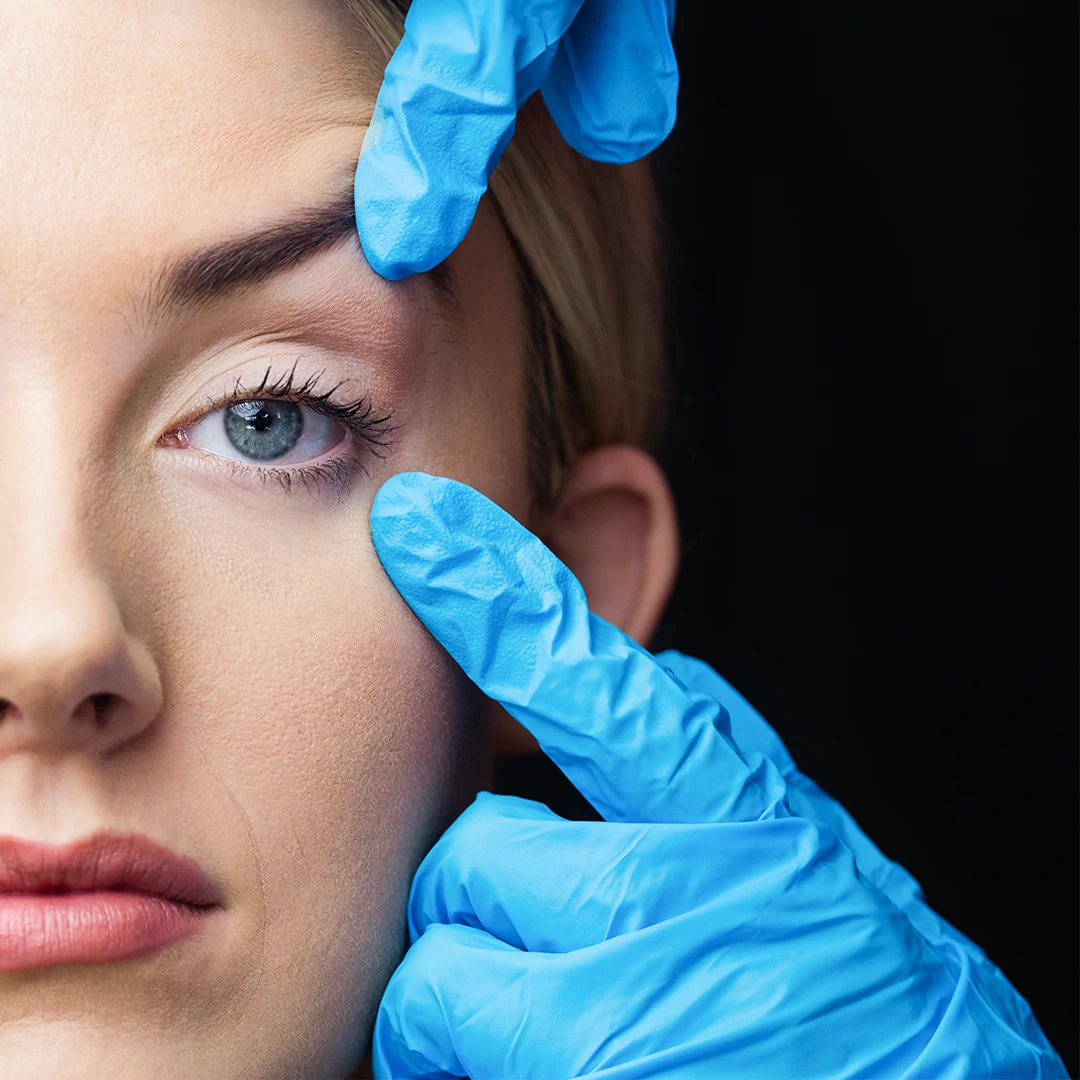
Eyelid surgery is suitable for many people who are uncomfortable with the signs of aging around the eyes and want to eliminate these aesthetic concerns. Although this procedure is generally preferred in middle-aged and older individuals, it can also be a solution for people who have droopy eyelids or under-eye bags at younger ages due to genetic predisposition . It is important that the candidates are in good general health, do not smoke or quit before surgery, have realistic expectations and do not have chronic eye conditions.
Candidate criteria for eyelid aesthetics include:
In some cases, blepharoplasty surgery may not be considered appropriate. These situations are:
There are various surgical and non-surgical methods available for eyelid rejuvenation. Although the most permanent and effective solution is usually surgical blepharoplasty, in some cases, non-surgical methods can also be considered for milder aesthetic problems.
Surgical blepharoplasty is the process of permanently removing excess skin, muscle, and fat from the eyelids. This method is the most effective solution, especially for people with pronounced eyelid sagging, under-eye bags and deep wrinkles. The operation can be performed under local anesthesia or general anesthesia and usually takes 1-2 hours. Surgical incisions are hidden in the natural folds of the eyelid or the lash line, ensuring that the scars remain minimal after healing.
Non-surgical eyelid aesthetic options are available for mild problems around the eyes or for people who do not want surgical intervention:
These methods are usually less invasive than surgery, but the results are temporary and may require regular repetition.
Eyelid aesthetic surgery offers many important advantages in terms of both aesthetics and functionality. The main benefits of this operation are:
Eyelid aesthetics eliminates the signs of aging around the eyes, which is one of the most prominent areas of the face, and provides a younger and more dynamic look. When the sagging and bagging of the eyelids are removed, the person looks more energetic and rested. This situation positively changes the general facial expression of the person, giving a more lively and attractive appearance.
Especially in people with severe upper eyelid sagging, the sagging skin can cause difficulties in daily activities (such as driving, reading) by covering the upper field of vision. Blepharoplasty allows the visual field to expand by removing excess skin. This indicates that the surgery provides not only an aesthetic but also a functional benefit.
In people who are uncomfortable due to aesthetic concerns, an increase in self-confidence is observed as a result of eyelid aesthetics. The face looks younger and more rested, allowing the person to feel better and be more active in social life. An individual’s satisfaction with their appearance directly affects their overall quality of life.
The recovery process after eyelid aesthetic surgery is usually quick and comfortable, but requires careful care. Post-operative swelling, bruising and mild discomfort are normal and begin to subside within a few days. Following the physician’s recommendations is critical to a successful recovery and achieving the best results.
Care after blepharoplasty includes:
Stitches are usually removed within 5-7 days. While most bruising and swelling will go away within 2 weeks, it may take several months for full recovery and final result to settle down.
After eyelid aesthetic surgery, the scars are usually very difficult to notice from the outside, as they are hidden within the natural folds of the eyelid. On the upper eyelid, the incision is made on the natural eyelid fold, while on the lower eyelid, it is made just below the lash line or on the inside of the eyelid. The scars, which may be pink at first, fade over time and become more indistinct. Regular use of scar-reducing creams recommended by the physician and sun protection help to further reduce the visibility of scars.
Eyelid surgery is usually not painful. Since the operation is performed under local anesthesia or general anesthesia, no pain is felt during the procedure. In the postoperative period, there may be a slight feeling of pain or discomfort, but this situation can be easily controlled with simple painkillers prescribed by the physician. Often patients report experiencing a slight feeling of tightness or swelling rather than pain.
The time to return to work after eyelid aesthetics depends on the extent of the operation performed and the recovery speed of the person. Usually, you can return to desk jobs within a week. However, you may want to stay away from social life for a short time due to bruises and swelling. For jobs that require intense physical activity, it may be necessary to wait a few more weeks. 2-3 weeks will be sufficient for a completely healed appearance in which aesthetic results become evident.
The results of eyelid aesthetic surgery are usually permanent for many years. Excess skin and adipose tissue removed during surgery do not come back. However, as the aging process continues, slight changes may occur in the eyelids again over time (usually after 10-15 years). This doesn’t mean that the surgery fails, it’s just part of the natural aging process. If necessary, a minor revision operation can be performed again in the following years.
After eyelid aesthetics, there is no obvious suture scar. Surgeons plan the incisions to hide within the natural folds and fold lines of the eyelid or at the base of the eyelashes. In this way, when the healing is complete, the scars become almost invisible. The scars, which may be slightly pink or reddened, especially in the first few months, fade over time and adapt to the skin color. The visibility of these scars can be further reduced with scar creams and sun protection recommended by the physician.
It is generally recommended to wait 2-3 weeks to start applying make-up after eyelid aesthetics. After the stitches are removed and the incisions are completely closed, make-up can be started. However, it is important to take care to use only mild and hypoallergenic products at first, avoiding rubbing or irritating the eyes. Eye make-up should also be treated gently when removing it. You should get the most accurate information and permission from your physician who performed your surgery.

Yakuplu, Hürriyet Blv. Skyport Residance
Kat: 20 D: 173
Beylikdüzü/İstanbul
We believe that beauty is a unique and personal reflection of each person. Our task is to reveal this reflection not through a mere change, but through a profound transformation. Our most important principles on this path are precision and care.
Copyright © All Rights Reserved.
Designed by AS Medya
Fill out the form below and we will contact you shortly.


