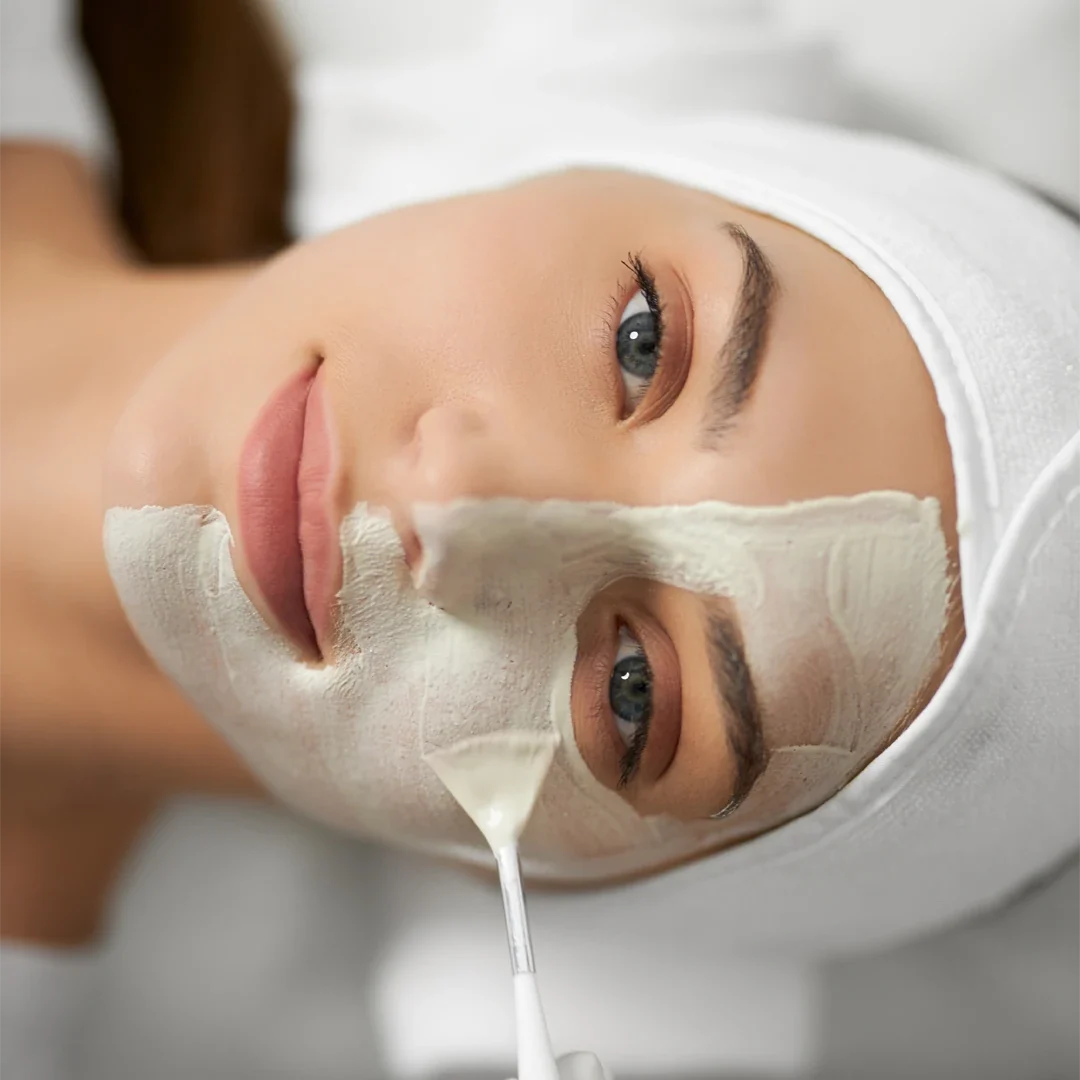
When it comes to peeling, many people think of classic peeling skin care products that can be used at home. However, in fact, skin rejuvenation and peeling procedures are sensitive procedures that should be done with chemical peeling, not with such products. In the popular application known as chemical peels and TCA peels, strong chemicals such as gilicic acid or salicylic acid are used for skin rejuvenation.
Chemical peeling is an effective intervention applied to the outermost surface of the skin. In chemical peeling application, a special solution prepared by taking into account factors such as the skin type, needs and aesthetic demands of the individual is used. This special solution usually uses chemicals that have a deep exfoliating effect and will help exfoliate and regenerate the top layer of the skin. However, these chemicals must be selected by a plastic surgeon or dermatologist in order to be used correctly and to be effective in peeling instead of harming the individual’s skin. In summary, chemical peeling application directly affects the regeneration of the skin in line with the right choices and interventions of competent physicians.
The skin layers are made up of several different layers. The top layer of the skin is the epidermis. Since the epidermis layer is the visible layer on the skin, the problems that occur in this layer are very negative factors in terms of aesthetics. Chemical peeling directly affects the uppermost skin layer, that is, the epidermis layer. This applies to all types of peeling applications, including superficial peeling applications. However, in medium deep peeling or very deep peeling applications, the chemical peeling solution can even affect the dermis layer under the epidermis plate. The effects of chemical peeling on these layers are important and positive effects such as skin tone equalization and skin renewal.
The types of acids to be used in chemical peeling may vary depending on the situation. The types of acids to be used in chemical peeling are determined according to the skin type and needs of the individual. However, in general, glycolic acid, salicylic acid, and TCA are the main types of acids used for peeling. In addition, in some cases, materials such as lactic acid can be used to make the peeling application a more in-depth application.
Chemical peeling application is one of the comprehensive medical aesthetic applications. Therefore, it is an application that is considered suitable for many skin problems and offers effective results. Thanks to its chemical peeling application, it offers an effective solution for many skin problems that cause aesthetic problems such as fine lines or skin blemishes. Skin problems for which chemical peeling is considered appropriate and works can be explained in more detail under a few headings.
Acne, also known as acne, is a skin problem that can occur due to many different factors such as hormonal factors or incorrect and incomplete skin care. In particular, hormonal fluctuations adversely affect acne and, indirectly, acne scar formation. Therefore, different patient profiles such as women who are pregnant or menstruating are at much greater risk of acne. Chemical peeling, on the other hand, can have a positive effect on acne and acne scars thanks to the chemicals it contains and have a positive effect on the skin. That’s why many individuals resort to chemical peeling for acne scars and active acne problems.
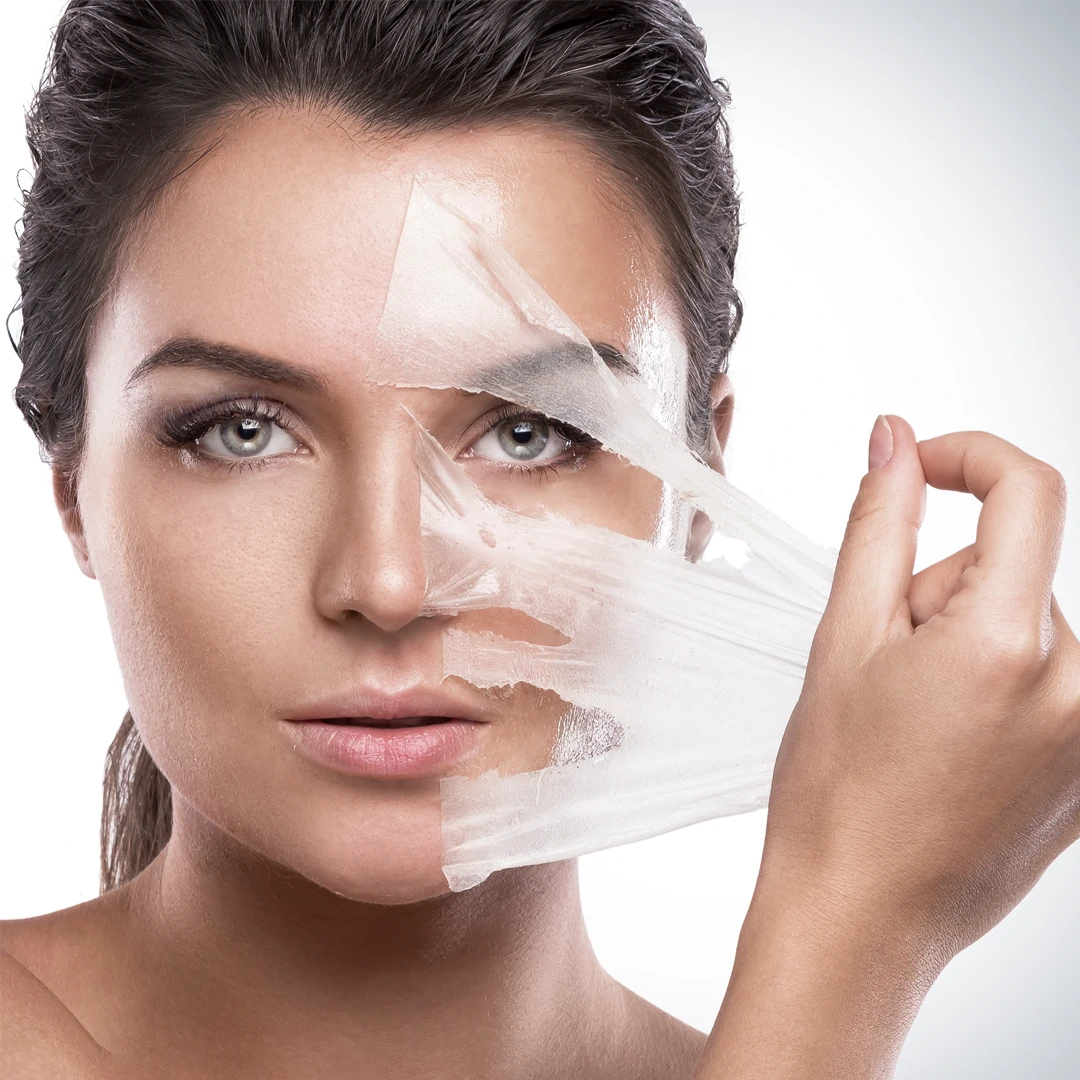
Skin blemishes are a skin problem that can occur due to both aging and external factors such as the sun. Skin blemishes do not only affect the appearance of the area because they negatively affect the general appearance as they cause unevenness of tone. Therefore, many people try to take advantage of the skin rejuvenation effect by applying chemical peels for various skin problems such as sunspots or age spots. Chemical peels are much more effective and safer than methods such as using very expensive or laborious skin care routines for skin blemishes and tone inequalities.
As interesting as it may sound, chemical peels are also effective when it comes to removing wrinkles. Fine lines, especially at an early age, can be caused by incomplete or incorrect care of the skin. In this case, it becomes possible to get rid of fine lines and wrinkles with the chemicals in the chemical peeling solution that support skin health and elasticity . Especially in deep peeling applications, effective results can be obtained for fine lines and wrinkles, as the lower layers of the skin can be reached and a very rich chemical peeling solution is used.
There are many types of chemical peels. Various factors, such as the increase in demand for skin care, especially today, have increased the number of peeling products. However, peeling products containing chemicals that are granular and do not have any effect on skin texture do not have a skin peeling and renewal effect, contrary to their names. Types of chemical peels contain chemicals that have an effect on the skin. These varieties differ from each other in terms of their effects and content. Effective chemical peeling types and depths can be explained under several headings.
Contrary to popular belief, peeling can be done not only in health institutions but also in the home environment. It is possible to use peeling products at home that do not offer a superficial and very deep peeling effect. You can use many different chemical peeling products known as AHA and BHA acids at home. However, you should consult a doctor to understand whether you are suitable for using these products and use the products at times such as at night when you will not come into contact with the sun. In addition, while benefiting from peeling, even if it is superficial, it is necessary not to ignore the factors that will protect the skin barrier, such as sun protection, and to be careful in this regard.
The most commonly used type of peeling within the scope of medical aesthetic applications is medium-depth peels. Medium-depth peels are also known as TCA peels. Since medium-depth peels contain effective chemicals, such peeling applications should be done by a doctor. Thanks to medium deep peeling applications, it becomes possible to get rid of many different skin problems such as acne scars and fine wrinkles.
Deep peeling applications are applications that should definitely be performed under the control of an expert. In deep peels, unlike superficial peels, a regeneration effect is achieved not only in the epidermis layer but also in the dermis, that is, the middle skin layer. Therefore, deep peels are applications that are suitable for individuals with deep skin problems in parallel with their name.
The process of applying chemical peeling may vary from person to person. An application that can be done using different substances such as chemical peeling and serves aesthetic purposes should be done in line with a planning suitable for the individual. Therefore, what will happen during the chemical peeling application process may vary from person to person. However, in general, chemical peeling application processes are completed by going through a few steps as standard. The steps in question can be discussed under several headings.
The first step in medical aesthetic applications, including chemical peeling, is to make a preliminary evaluation. In this preliminary evaluation, information is obtained about issues such as the skin type of the individual and the condition of the skin barrier. In addition, during the pre-evaluation phase, it becomes possible for the individual to share extra wishes and expectations with the plastic surgeon or dermatologist.
After the preliminary evaluation, the skin preparation phase is started. During the skin preparation phase, various actions can be taken, such as recommending the use of skin barrier strengthening products to the individual, depending on the situation. After all these, session planning is made. Within the scope of session planning, issues such as the number and dates of sessions are decided.
After passing the pre-evaluation, skin preparation and session planning stages for chemical peeling, the main application phase is started. In the actual application phase, skin peeling and ineducation are usually performed by a plastic surgeon or dermatologist in a health institution with chemical peeling . Since the skin is peeled in chemical peeling application, it may be necessary to wait approximately 10-14 days for the skin to heal.
The healing process after chemical peeling takes approximately 10 – 14 days. There are some maintenance recommendations that should be taken into account both during and after this process. The most important thing to pay attention to after chemical peeling is to stay away from elements that will damage the skin barrier. Many factors, such as sun rays or skin care products containing heavy chemicals, can cause the skin barrier, which has already been peeled and damaged by chemical peeling, to become very bad. Therefore, it is necessary to stay away from such elements after chemical peeling. In addition, you should follow your doctor’s skin care recommendations to increase the effects of the application after chemical peeling and make it more permanent.
Chemical peeling prices are determined depending on more than one factor. Chemical peeling is a medical aesthetic application. The main factors that determine the price of application in medical aesthetic applications are the experience of the plastic surgeon or dermatology specialist and the facilities of the health institution. In addition, chemical peel prices can be determined by different factors such as the content and dosages of the chemicals used to make the chemical peeling solution. Therefore, if you want to get clear and precise information about chemical peeling prices, you should first contact a doctor.
Chemical peeling can be done in the summer. However, chemical peeling is not recommended by many physicians in the summer months. The fact that it is sunny almost every day in the summer months and therefore the possibility of staining and damage to the skin due to the sun’s rays increases may cause the effects of chemical peeling to be endangered. For this reason, many dermatologists or plastic surgeons who are competent to perform chemical peels state that autumn or winter months are ideal for chemical peeling.
Whether permanent stains will occur on the skin after chemical peeling varies depending on the situation. In the chemical peeling process, minimal damage is caused to the layers, especially the top layer of the skin. In this way, the skin is peeled and renewed. However, it may be possible for the skin to become much more sensitive during peeling and regeneration. Therefore, factors such as not being protected from sunlight after chemical peeling and using the wrong products can cause permanent spots on the skin.
It is necessary to pay attention to many different things before chemical peeling. The things to be considered are generally recommendations for protecting the skin barrier. The fact that the skin barrier is strong before the chemical peeling process and the skin is generally healthy can prevent negative conditions such as permanent stain formation after chemical peeling. Therefore, before chemical peeling, it is necessary not to have other procedures with a skin peeling effect, not to use products containing peeling acid, and to adopt a skin barrier-strengthening skin care routine, including sun protection.
The number of sessions of chemical peeling may vary depending on the situation. The main purpose of chemical peeling is to eliminate the problems experienced by the individual on the skin. These problems may include negative conditions such as unevenness in tone or acne spots. Many factors, such as the content and number of these situations, affect how many sessions of chemical peeling will be applied. However, in general, chemical peeling applications are applied for 4-6 sessions. Depending on the situation, and especially deep chemical peeling applications, it may take up to 8 sessions.
Chemical peeling does not directly damage the skin barrier. The skin barrier affects many conditions, from the formation of blemishes on the skin to the formation of acne. Therefore, having a strong skin barrier is one of the basic rules of having a healthy and bright skin. In chemical peeling application, the skin barrier is not directly damaged, but the skin barrier becomes sensitive as the skin is peeled and therefore renewed. Therefore, chemical peeling is one of the medical aesthetic interventions that cannot be applied very often and is not recommended to be done in the summer months.

Yakuplu, Hürriyet Blv. Skyport Residance
Kat: 20 D: 173
Beylikdüzü/İstanbul
We believe that beauty is a unique and personal reflection of each person. Our task is to reveal this reflection not through a mere change, but through a profound transformation. Our most important principles on this path are precision and care.
Copyright © All Rights Reserved.
Designed by AS Medya
Fill out the form below and we will contact you shortly.


